
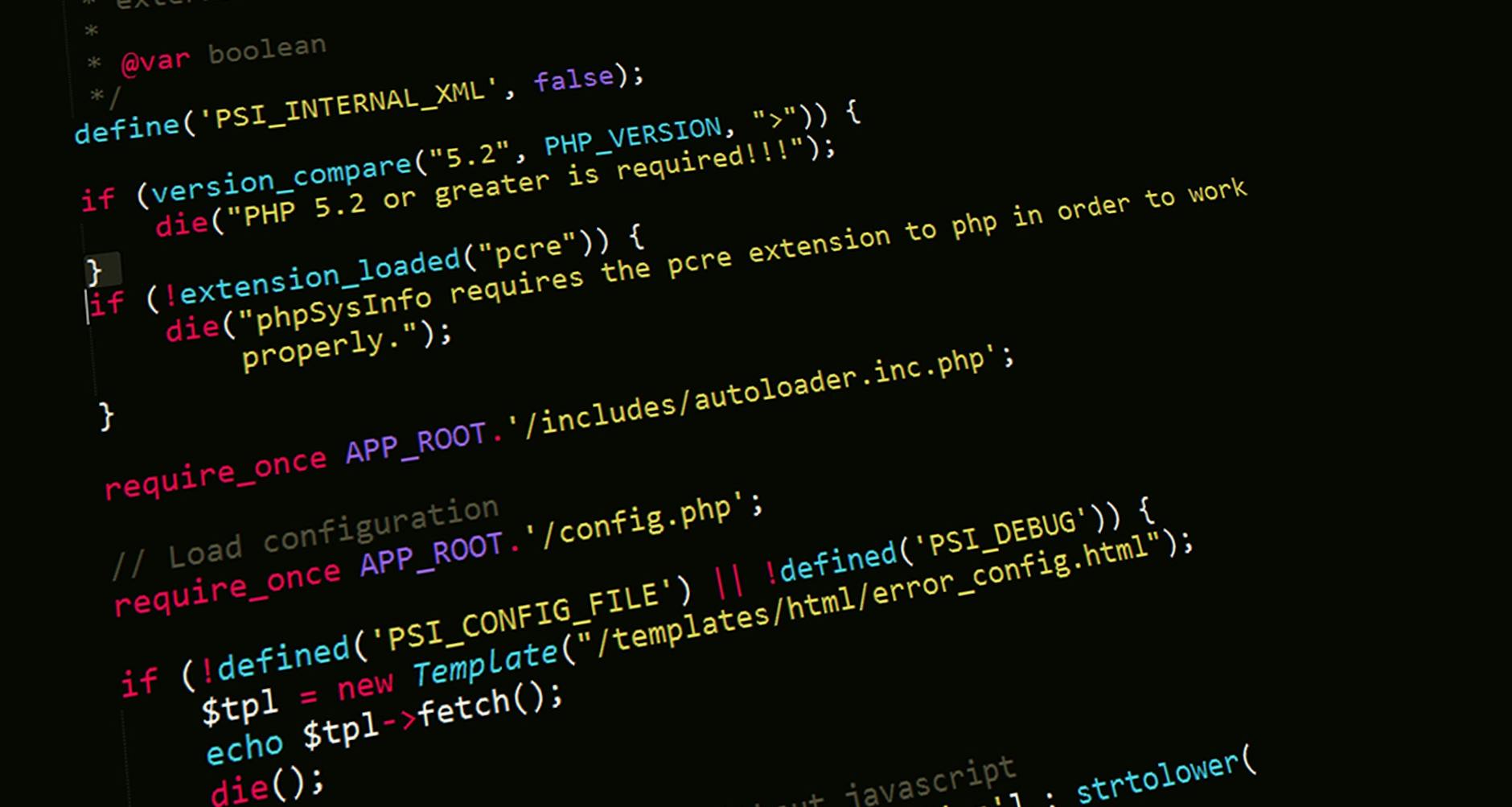
Balancing Architectural Depth Against Time-to-Market
One of the most frequent missteps when companies hire PHP developers for enterprise platforms is underestimating the engineering overhead required to maintain architectural depth. Enterprises often demand rapid feature delivery, but rushing leads to technical debt that impairs future scalability and performance.
The trade-off is clear: prioritize a layered, modular architecture upfront or sacrifice long-term maintainability for short-term gains. Senior PHP engineers bring essential experience in designing for extensibility, such as leveraging Domain-Driven Design (DDD) principles, dependency injection containers, and service-oriented architectural patterns to modularize codebases.
For example, a common error is tightly coupling business logic with presentation code in legacy PHP applications, which complicates testing and parallel development efforts. Seasoned PHP developers separate concerns cleanly, enabling independent evolution of business rules and UI components. This separation is critical when teams also include WordPress experts or JavaScript developers who handle frontend or CMS-specific functionality.
Invest time upfront in architectural decisions. A robust, modular PHP architecture reduces refactoring costs by over 40% in complex enterprise deployments, as measured in long-term maintenance cycles.
Designing Schema and API Contracts for Scalability
When you hire PHP developers for high-volume applications, one of the first technical tasks is to design database schemas and API contracts that withstand load and facilitate rapid development. The schema must reflect normalized, yet performant, data structures with indexing strategies tailored to query patterns.
Additionally, API contracts—especially RESTful or GraphQL endpoints—serve as formal agreements between backend PHP services and frontend consumers such as JavaScript frameworks or WordPress plugins. Precise contract definitions reduce integration friction and allow teams to work in parallel.
Here is a comparative snapshot of two schema design approaches common in enterprise PHP projects:
| Aspect | Normalized Schema | Denormalized Schema |
|---|---|---|
| Query Performance | Moderate; requires JOINs but supports data integrity | High; fewer JOINs but potential data redundancy |
| Data Integrity | Strong; enforced by foreign keys | Weaker; requires application-level enforcement |
| Maintenance Overhead | Higher due to complex relations | Lower but risk of stale data |
| Scalability | Better suited for OLTP systems | Better for read-heavy analytics workloads |
Senior PHP developers understand when to apply normalization and when controlled denormalization accelerates performance without compromising consistency. Likewise, API contracts must be versioned and backward-compatible to support phased rollouts without disrupting existing consumers.
Concrete Code Patterns for Maintainable PHP Applications
Code quality is a key differentiator when you hire dedicated software development teams including PHP developers versus ad hoc freelancers. Production-grade PHP applications embrace specific design patterns and testing disciplines.
Common code patterns include:
- Repository Pattern: Abstracts data access logic to isolate business rules from persistence details.
- Dependency Injection: Promotes loose coupling and facilitates unit testing by injecting service dependencies.
- Event-Driven Architecture: Enables asynchronous workflows and decouples components for scalability.
For example, a typical pattern to manage database transactions in PHP involves wrapping business logic in service classes that coordinate repositories and domain events. This approach allows for clear unit testing and easier debugging.
Testing rigor is equally essential. Senior PHP engineers implement automated unit and integration tests using frameworks like PHPUnit combined with mocking libraries. This testing discipline prevents regressions during continuous integration and complex feature rollouts.
Establishing Phased Rollouts and Staging Gates
Enterprises deploying PHP platforms at scale rarely launch features or architectural changes wholesale. Instead, they adopt phased rollouts with multiple staging gates to mitigate risk.
Typical rollout stages include:
- Development: Feature branches with peer-reviewed code.
- Integration Testing: Automated test suites run against integration environments.
- Pre-Production Staging: Full environment replication with production-like data.
- Canary Release: Limited user exposure to new features for real-world validation.
- Full Production Rollout: Complete deployment after validation.
These gates ensure architectural changes, database migrations, and API evolutions do not introduce downtime or regressions. They also allow cross-functional coordination with teams responsible for WordPress or JavaScript components interfacing with the PHP backend.
Implementing phased rollouts with automated gating reduces production incidents by over 30%, enhancing system stability during complex deployments.
Benchmarking Developer Expertise and Team Composition
When deciding to hire PHP developers or expand your engineering team, benchmarking skills is critical. Senior PHP engineers should demonstrate competency not only in PHP but also in related areas such as database optimization, API design, and cross-language collaboration.
Consider this comparison of competencies required for different roles often involved in enterprise PHP projects:
| Role | Core Skills | Additional Expertise | Typical Use Case |
|---|---|---|---|
| PHP Developer | OOP PHP, MySQL, REST APIs | Composer, PHPUnit, caching layers | Backend business logic and API development |
| WordPress Developer/Expert | PHP, WordPress APIs, theme/plugin dev | JavaScript (React), WP REST API | CMS customization and plugin integration |
| Python Developer | Python, Django/Flask, REST APIs | Data processing, ML integration | Data-heavy services complementing PHP backend |
| JavaScript Developer | ES6+, React/Vue, REST/GraphQL | Webpack, Node.js, testing frameworks | Frontend SPA and API consumer development |
In many scenarios, hiring a dedicated software development team that includes a balanced mix of these specialties accelerates delivery and reduces cross-team coordination overhead.
Summary and Next Steps for Hiring and Integration
Entering enterprise PHP platform engineering demands more than just filling positions. It requires a deliberate approach to architectural depth, schema and API contract discipline, code patterns, and deployment methodologies.
When you hire PHP developers or assemble teams inclusive of WordPress experts, Python, and JavaScript developers, make sure to enforce phased rollouts with staging gates and rigorous testing. This reduces technical debt and production risks while enabling continuous delivery.
For organizations ready to expand, consider partnering with dedicated teams experienced in these enterprise-grade practices. You can contact BeyRobot Web Studio to discuss tailored staffing and architecture consultation aligned with your platform goals.
Frequently Asked Questions
What key architectural skills should I look for when I hire PHP developers?
Seek candidates with proven experience in designing decoupled, modular PHP applications, expertise in database indexing strategies, and familiarity with enterprise caching layers to ensure scalability and maintainability.
How can schema and API contract design improve team coordination?
Clear, versioned schema and API contracts act as unambiguous interfaces, allowing backend and frontend teams to develop independently and minimize integration errors during phased rollouts.
Why implement phased rollouts when deploying PHP applications?
Phased rollouts reduce risk by gradually exposing new features or architectural changes to subsets of users, enabling the team to catch and fix issues before full-scale production deployment.
When should I consider hiring a dedicated software development team over individual PHP developers?
Opt for a dedicated team if your project demands continuous delivery, cross-disciplinary expertise (including WordPress or JavaScript), and close alignment with your in-house product roadmap for long-term scalability.

Ready to Engineer Your Category-Defining Flagship?
Launch with $0 upfront commitment. Our 4-stage transparent milestone engineering de-risks execution while guaranteeing unmatched speed and conversion.
CONFIGURE PROJECT SCOPE